Central Oregon continues to draw discerning homeowners seeking a blend of natural beauty, outdoor recreation, and a vibrant community. For many, the dream involves settling into a custom luxury residence in areas like Bend, Brasada Ranch, Tetherow, or Caldera Springs. But a fundamental question arises: is it better to buy an existing home or embark on the journey of building a new one? As Kevin Rea, with over 45 years of experience building more than 100 custom homes across this stunning region, I've guided countless clients through this very decision. The choice between buying vs building a home Central Oregon is complex, steeped in personal preference, financial considerations, and the unique realities of our local market.
While an existing home might offer immediate gratification, a custom build promises a residence perfectly tailored to your lifestyle and the Central Oregon landscape. This article will delve into the nuances, helping you understand the pros and cons of building a new home and whether a custom build vs buying existing home is the right path for your family in Bend, Sisters, Redmond, or Prineville.
The Allure of a Custom Build: Should I Buy or Build a Home in Bend Oregon?
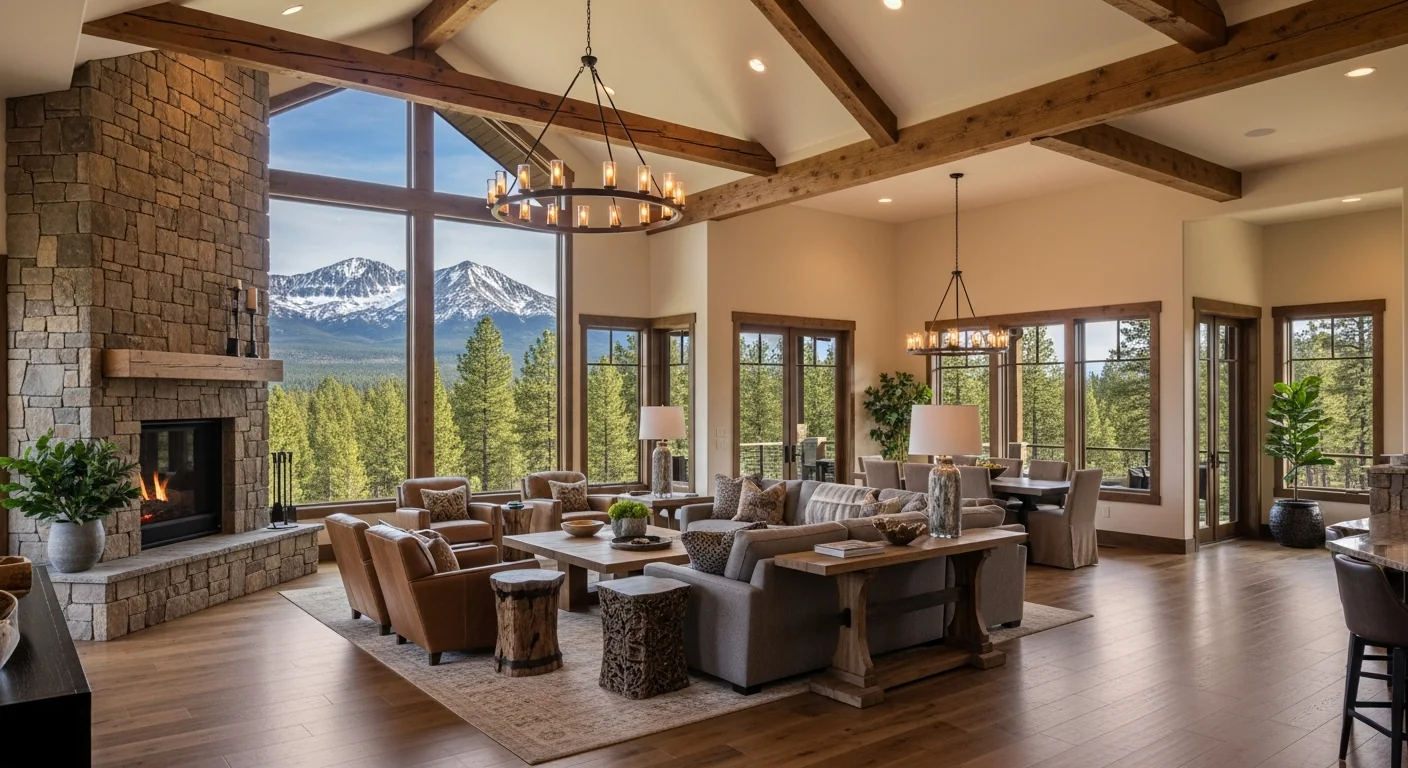
For many, the dream of a truly personalized living space is compelling. Building a custom home allows you to dictate every detail, from the layout and materials to energy efficiency and integration with the high-desert environment. My clients often seek homes that maximize panoramic views of the Cascades, seamlessly blend indoor and outdoor living, and incorporate sustainable features suited to our climate.
Unparalleled Personalization and Design Control
When you choose to build with an award-winning builder like Rea Co Homes (CCB #193427), you gain complete design freedom. This means your home can be specifically oriented to capture optimal sunlight and minimize harsh summer glare, a critical consideration in Bend's 300+ days of sunshine. We can design for aging in place, create specific spaces for hobbies – be it a dedicated fly-tying room or an expansive art studio – or integrate smart home technology from the ground up. In communities like Tetherow or Pronghorn, where architectural guidelines are stringent, a custom build ensures your vision aligns perfectly with their aesthetic while meeting your personal needs.
Superior Quality, Energy Efficiency, and Modern Features
Older homes, even well-maintained ones, often come with outdated systems, less efficient insulation, and floor plans that don't reflect contemporary living. A new custom home, by contrast, benefits from the latest building codes, materials, and technologies. For example, all Rea Co Homes exceed current energy efficiency standards, often incorporating advanced insulation, high-performance windows, and energy-recovery ventilation systems to combat our dramatic temperature swings. This not only provides superior comfort but also translates to significant long-term savings on utility bills. We also consider wildfire-resistant landscaping and materials, which are increasingly important given our region's ecology.
Avoiding Costly Renovations and Hidden Issues
Buying an existing home often means inheriting its past problems. Unforeseen issues like outdated plumbing, electrical systems not up to code, or even foundational problems can quickly escalate renovation costs. In my 45 years building custom homes in Bend, I've seen homeowners spend hundreds of thousands on renovations trying to achieve what a custom build could have delivered from day one. With a new build, you have peace of mind knowing every component is brand new, backed by warranties, and meticulously inspected throughout the construction process.
The Realities of Building: Pros and Cons of Building a New Home in Central Oregon
While the advantages of building are significant, it's crucial to approach the decision with a clear understanding of the process, particularly in our unique Central Oregon market.
The Custom Build Timeline: Patience is a Virtue
Building a custom luxury home in Central Oregon is a significant undertaking, and it’s not a quick process. From initial design and permitting to final construction, most of my projects span 18 to 26 months. This timeline can be influenced by factors such as the complexity of the design, site conditions (rocky terrain on Awbrey Butte, for example, requires more extensive excavation), and the current volume of permit applications at Deschutes County and the City of Bend. Deschutes County's site plan review currently runs 8-12 weeks for homes over 3,500 sq ft, a detail that's essential to factor into your planning. Here's a general breakdown:
| Phase | Typical Duration (Central Oregon) |
|---|---|
| Lot Selection & Feasibility | 1-3 Months |
| Architectural Design & Plans | 4-8 Months |
| Permitting & Approvals | 3-6 Months |
| Site Prep & Foundation | 1-2 Months |
| Framing & Exterior Enclosure | 3-5 Months |
| Rough-Ins (MEP) | 2-3 Months |
| Interior Finishes | 4-6 Months |
| Landscaping & Final Touches | 1-2 Months |
| Total Project Timeline | 18-26 Months |
Navigating Central Oregon's Permitting and HOAs
Building in Central Oregon, especially in premier communities, requires navigating specific local regulations and strict HOA Design Review Boards (DRBs). For instance, building in Caldera Springs or Broken Top means adhering to extensive architectural guidelines governing everything from roof pitch and exterior materials to landscaping plans and even paint colors. Tetherow's Design Review Board (DRB) often requires a minimum of 6 exterior material samples submitted 30 days before the approval meeting, emphasizing the need for meticulous planning and an experienced builder who understands these local nuances. For example, Bend's high desert elevation (3,600 ft) requires frost footings at minimum 24 inches depth under IRC 2021, a foundational detail we handle with precision.
#### Project Vignette: Navigating HOA on Brasada Ranch
On a recent Brasada Ranch project for a family relocating from Portland, we faced a unique challenge. Their expansive floor-to-ceiling windows, designed to capture the stunning mountain views, risked exceeding the community's reflectivity limits for glass. This particular HOA detail is often overlooked. We worked closely with the DRB, presenting specialized low-emissivity glass samples and demonstrating how their specific coating met the reflectivity standards while preserving the client's desired aesthetic and view. This required an extra two weeks of coordination and material sourcing, a detail only an on-site builder navigating these specific rules would encounter, highlighting the value of local expertise.
Cost Considerations: Is it Better to Buy or Build a House Oregon?
Understanding the financial aspect is paramount when comparing if it is better to buy or build a house Oregon. While the sticker price of an existing home might seem lower, custom building offers transparent costs over the long term. For luxury custom homes in Central Oregon, costs typically range from $350-$800 per square foot, excluding land, with total project costs often falling between $1.5 million and $6 million+, depending on finishes, complexity, and location. This includes design fees, permits, materials, labor, and landscaping. While this might seem higher upfront than an existing home, it's an investment in a perfectly optimized, energy-efficient, and zero-maintenance property for years to come. Remember, existing homes often require immediate capital for updates, which can quickly add up.
The Alternative: Buying an Existing Home in Central Oregon
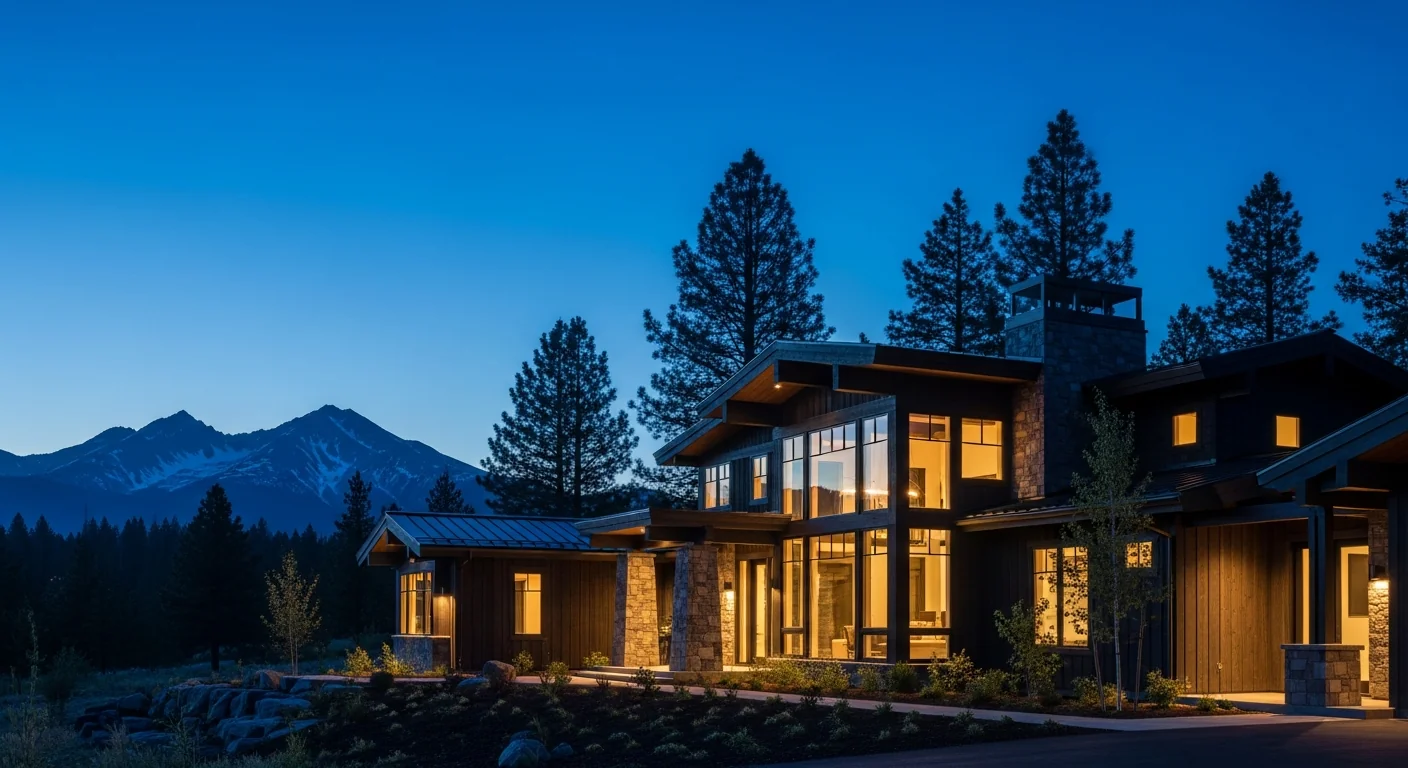
Speed and Immediate Gratification
The primary advantage of buying an existing home is speed. Once an offer is accepted and financing is secured, you can typically move in within 30-60 days. This can be ideal for those on a tight timeline, such as a quick relocation to Bend or Redmond.
Potentially Lower Upfront Costs (But Hidden Expenses Lurk)
An existing home might present a lower initial price point than a custom build, especially for properties outside of highly sought-after new developments. However, be wary of deferred maintenance, outdated systems, and the inevitable desire to personalize the space. That
